How to Choose the Best HVAC Contractor for Your Air Conditioning Needs
The field of heating, ventilation, and air conditioning, known as HVAC, is essential for keeping indoor spaces comfortable throughout the different seasons. Selecting the right HVAC contractor is paramount for ensuring that climate control in your home or business operates effectively and reliably. Routine maintenance, timely repairs, and strategic upgrades are crucial for achieving optimal functionality. If you are keen to discover more about HVAC services, numerous insightful options and resources are available for you to consider the official site.
Modern HVAC systems aim not only to control temperature and humidity but also to enhance the air quality within indoor environments. Whether it's routine air conditioning maintenance in the sweltering summer or emergency furnace repairs in the chilly winter, a qualified HVAC provider has the expertise needed to ensure your systems perform well. This article will explore the fundamentals of HVAC and outline what to look for when choosing a contractor.
Exploring the Fundamentals of HVAC Systems
HVAC systems are complex integrations of technologies responsible for regulating heating, cooling, and ventilation across residential and commercial environments. These systems consist of diverse components, including air conditioners, heating units, ducts, and ventilation mechanisms, all working in unity to create comfortable indoor conditions. The performance efficiency of an HVAC system is pivotal not only for energy usage but also in contributing to superior indoor air quality.
In regions with warm weather, air conditioning plays an essential role in cooling indoor spaces. The function of air conditioning units is to draw heat and moisture from the air, thus producing a cooler and more comfortable environment. On the other hand, in cooler areas, heating systems such as furnaces or heat pumps are necessary for maintaining warmth indoors. Ventilation also holds significant value, as it facilitates a consistent exchange of fresh air while filtering out harmful particles and mitigating problems like mold formation.
Categories of HVAC Systems
There are an array of HVAC systems tailored to meet specific requirements and applications. The predominant categories encompass centralized systems that link multiple areas through ductwork and decentralized systems, like mini-split air conditioning units, which can work independently within distinct spaces. It’s crucial to choose the right system suited for your needs. Centralized systems commonly deliver greater efficiency for expansive areas, while mini splits provide targeted heating or cooling, making them advantageous for smaller rooms or extensions.
Choosing the Right HVAC Contractor
Selecting the appropriate HVAC contractor involves careful consideration of their expertise and reputation within the community. Begin by looking for companies that showcase outstanding reviews and high ratings locally, particularly those recognized for their skills in air conditioning repairs and maintenance services. Verify the contractor's credentials by checking for necessary certifications and licenses, which indicate their professional qualifications. It's also important to find contractors who have hands-on experience with a wide range of HVAC systems, including the latest innovations such as smart thermostats and zoning solutions.
Gathering multiple quotes is another smart strategy for homeowners seeking the best contractor. This method enables you to assess different service offerings and pricing structures, guiding you towards the most advantageous choice. During your consultations, inquire about their maintenance strategies, emergency repair capabilities, and understanding of energy-efficient installations. A trustworthy contractor will not only present transparent pricing but will also share valuable knowledge about energy-saving techniques and the ideal HVAC systems tailored to your particular requirements.
Significance of Routine Upkeep
Routine upkeep is crucial for ensuring that HVAC systems operate at peak efficiency and can greatly prolong their operational lifespan. Homeowners are advised to arrange for regular inspections at least once each year, covering both heating and cooling systems. By taking this preventive measure, you can avert unexpected disruptions and expensive repairs, particularly during high-demand seasons. Technicians will scrutinize components for problems like clogged air filters, which can hinder airflow, and assess ductwork for leaks that may adversely affect performance and energy consumption.
During their maintenance visits, HVAC specialists also perform cleaning tasks on the system’s various elements to prevent the buildup of dirt and debris. This cleaning regimen encompasses the cleaning of air ducts, which is essential for achieving optimal airflow and minimizing indoor allergens. Systems that receive regular maintenance are typically more energy-efficient, which can result in reduced utility costs and a smaller carbon footprint.
HVAC systems can be intricate, yet gaining insight into their functioning and maintenance enables homeowners to make well-informed choices regarding their heating and cooling needs. Engaging with an HVAC professional will provide you with the necessary advice for maintaining comfort within your home.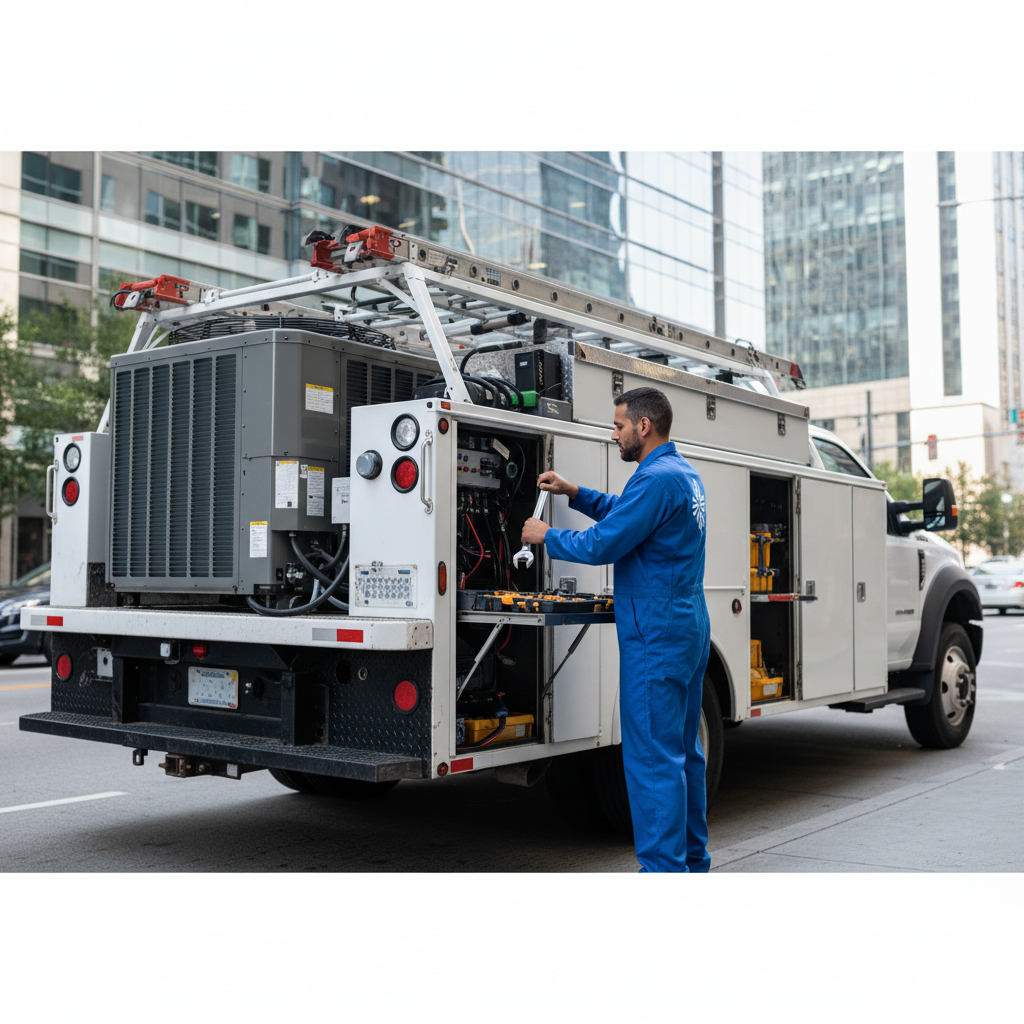 Holiday HVAC Contractorair conditioning repair service near me
Tips for Maintaining Your HVAC System
Understanding HVAC systems can lead to considerable cost savings and improved comfort. Consider these tips to enhance system performance.
- Regularly change or clean air filters every 1-3 months to maintain optimal airflow.
- Seal any gaps in ducts to reduce energy loss and improve heating/cooling efficiency.
- Invest in programmable thermostats to help regulate temperatures according to your habits.
- Schedule annual professional inspections for both heating and cooling systems.
- Keep outdoor units clear of debris to ensure they operate without obstruction.
Frequently asked questions
What is HVAC?
HVAC represents heating, ventilation, and air conditioning. This technology is designed to control the climate within indoor environments by managing variables such as air temperature, humidity levels, and overall air quality.
How do I choose a HVAC provider?
Selecting a HVAC provider involves examining their reputation, reading customer feedback, comparing estimates, and verifying that they possess the required licenses and certifications.
How much does HVAC cost?
The expense associated with HVAC systems can differ significantly based on factors like the type of system, its size, energy efficiency, and the specifics of installation. Generally, prices can fluctuate from several thousand to tens of thousands of dollars, inclusive of installation costs.
What are the signs I need air conditioning repair?
Signs that indicate your air conditioning may require repair include inadequate cooling, strange sounds coming from the unit, and rising energy bills, which often point to inefficiencies within the system.
How often should I maintain my HVAC system?
It is advisable to have your HVAC system professionally maintained at least once every year for both the heating and cooling components to guarantee optimal functioning and durability.
To achieve a pleasant and healthy atmosphere indoors, it’s crucial to comprehend HVAC systems thoroughly and collaborate with experienced contractors. Regular maintenance of air conditioning units and efficient heating methods can lead to significant savings in time, finances, and reduces frustration.
Choosing the appropriate HVAC service provider and focusing on routine upkeep allows homeowners to keep their systems running smoothly and effectively, ensuring lasting comfort for years ahead.